

The fireplace chimney liner shows deterioration and has no damper installed
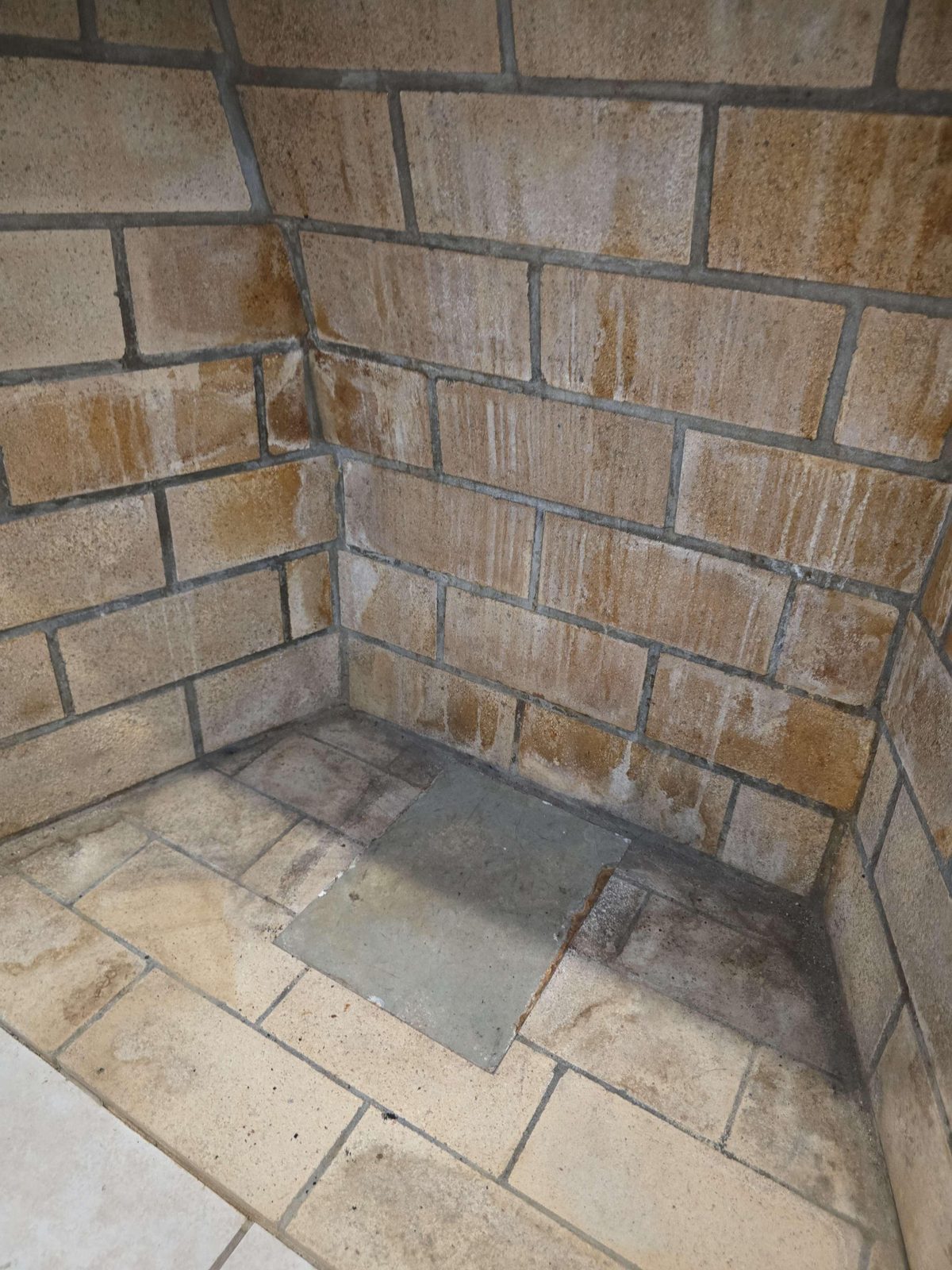
What we found
The refractory liner — the heat-resistant inner lining of the chimney — showed visible deterioration. The inspector also observed that no damper, the movable plate that opens and closes the flue, was installed.
Why it happens here
A refractory liner is built to contain combustion heat and direct exhaust gases safely up and out of the home. When the liner surface deteriorates, it is less able to do that containment job. A damper sits at the throat of the chimney and serves two purposes: it controls airflow when a fire is burning, and it seals the flue closed when the fireplace is not in use. Without one, the flue is a continuous open passage.
What it means for you
A damaged liner is less effective at keeping combustion heat and gases away from the surrounding structure. An open flue without a damper allows outside air, weather, and debris a direct path into the home.
What to do
Have the chimney evaluated by a qualified chimney professional — a CSIA-certified sweep or a licensed masonry contractor — before the fireplace is used. They can assess the liner condition and advise on the damper.
How common is this
Chimney liner condition and damper presence are standard items inspectors examine and report on. Liner repair and damper installation are routine work for chimney professionals.
A chimney professional can tell you exactly what the liner needs and get a damper in place so the fireplace is ready to use.
Curious what's on record for a specific address?
Look it up on PermitSearch → (opens in a new tab)Ready to book your own inspection?
Schedule an inspection →