

The electrical panel in this home carries a Sylvania label, and that name matters to inspectors and insurers alike.
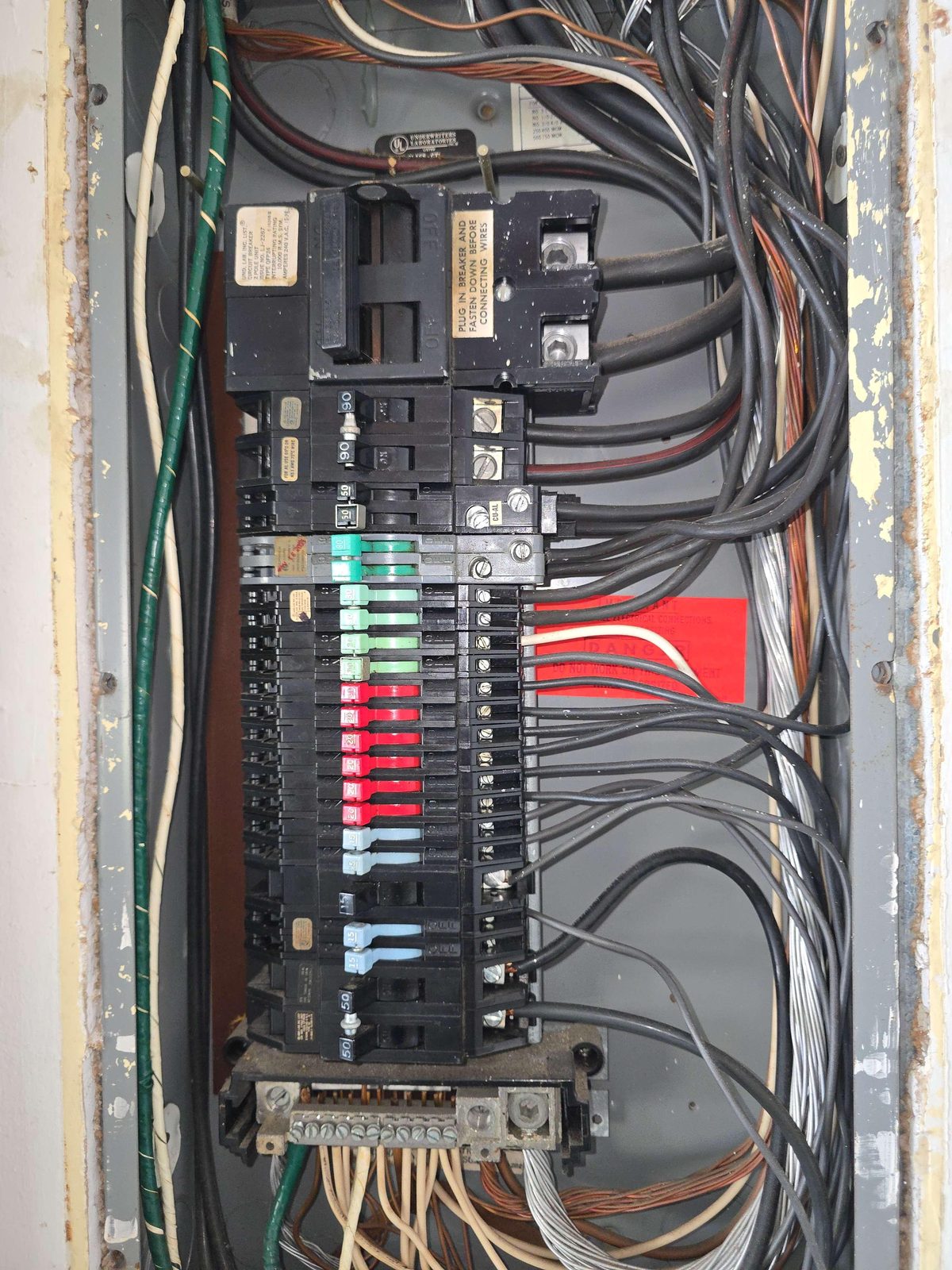
What we found
The main electrical service panel — the metal cabinet that distributes power from the utility line to every circuit in the home — carries a Sylvania manufacturer label.
Why it happens here
An electrical panel works by routing incoming power through breakers, which are switches designed to trip and cut the circuit if too much current flows. Documented material defects in certain panels of this type have been associated with a reduced ability to interrupt a fault — meaning a breaker may not trip the way it is supposed to — which can allow overheating to occur.
What it means for you
Beyond the electrical concern itself, some insurance carriers decline to write a policy, or limit coverage, on a home with a panel of this type. That makes it worth confirming with your insurance provider before you close.
What to do
Have a licensed electrical contractor evaluate the panel. The inspector recommends completing that evaluation and any agreed-upon work before your inspection contingency expires. Confirm with your insurance carrier that the home is insurable in its current condition.
How common is this
Sylvania panels are something inspectors are trained to look for and report. Replacement with a modern panel and breakers is a well-established, routine remedy that electrical contractors perform regularly.
Getting an electrical contractor's eyes on the panel now keeps the conversation about next steps squarely inside your contingency window.
Curious what's on record for a specific address?
Look it up on PermitSearch → (opens in a new tab)Ready to book your own inspection?
Schedule an inspection →