
A Nail Driven Too Deep Can Cost More Than the Nail Gun Saved
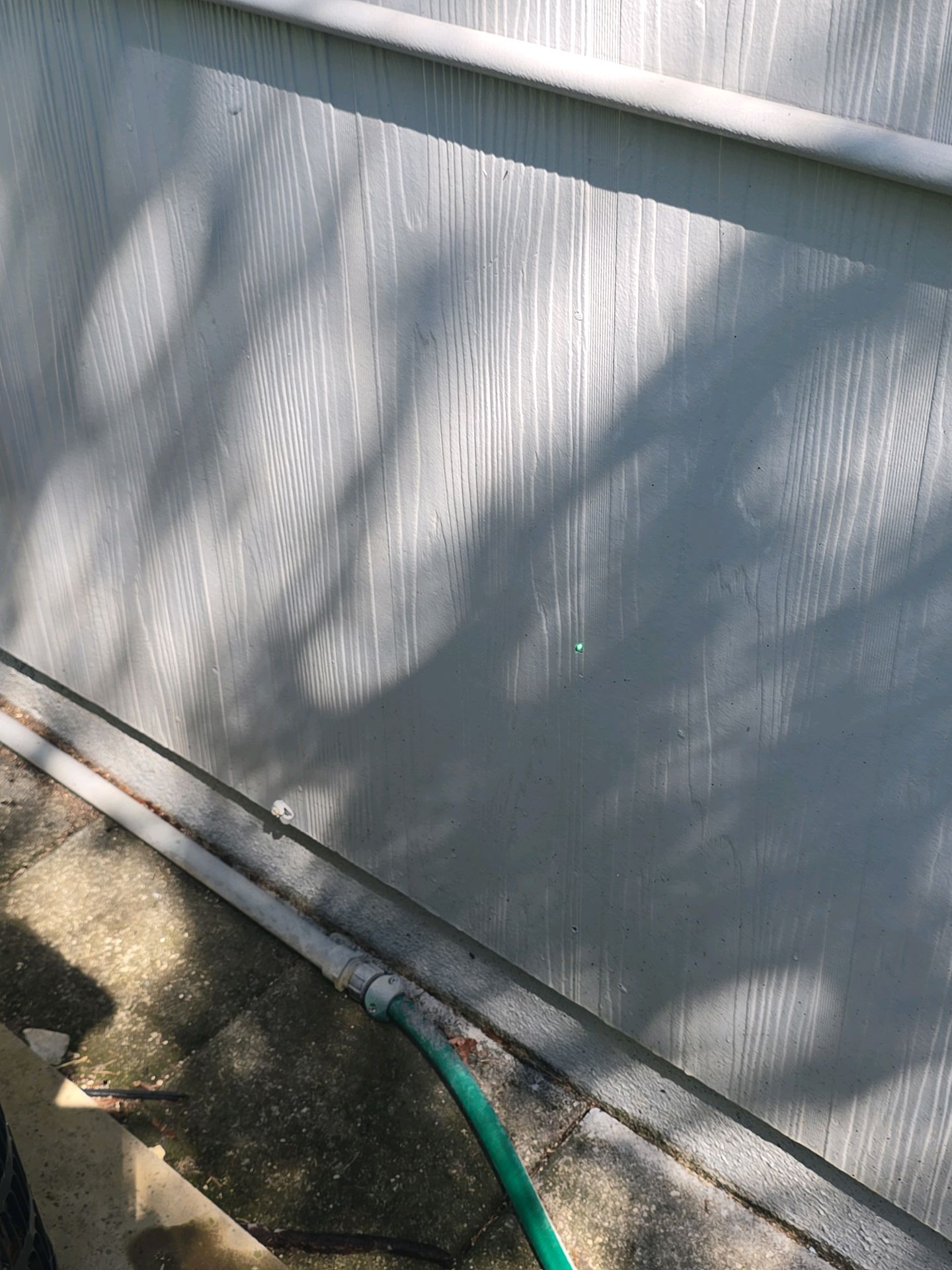
What we found
Overdriven fasteners at localized areas of the fiber cement siding at a recent Jacksonville-area inspection — nails driven deep enough that the fastener head broke the surface of the siding material.
Why it happens here
Fiber cement siding is usually put up with a nail gun, and the manufacturers want each nail driven flush with the surface — not sunk below it. Unlike wood, fiber cement doesn't give and spring back around a nail head that's been driven too deep — so it comes down to how carefully it was installed, not a flaw in the material itself.
What it means for you
Once a fastener head breaks the surface, that spot loses its ability to shed water and resist ordinary material movement. Over time this can let moisture into the affected area, leading to deterioration of the siding or the wall assembly behind it — and it's a recognized deficiency that can affect manufacturer warranty coverage on the siding.
What to do
Have a qualified siding or general contractor evaluate the affected areas; depending on extent, the fix ranges from sealing and patching individual fasteners to replacing the impacted siding sections.
How common is this
A frequent finding on homes sided with fiber cement products, which cover a large share of Jacksonville-area new construction and re-siding jobs. We check fastener condition on every exterior walk because it's easy to miss from ground level and easy to fix while it's still localized.
A small installation shortcut at the nail gun — an easy, cheap fix now, a wall-assembly problem later if it isn't.
Curious what's on record for a specific address?
Look it up on PermitSearch → (opens in a new tab)Ready to book your own inspection?
Schedule an inspection →